
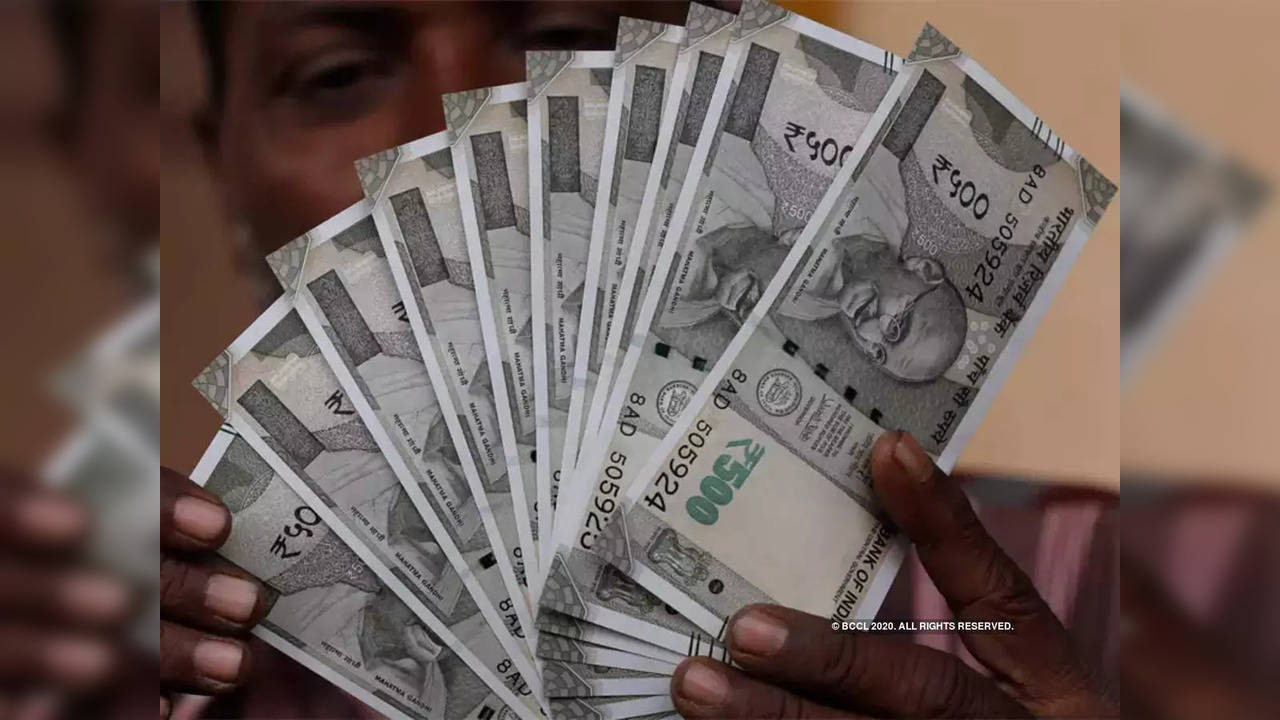
Before we enter July, here is an overview of the main financial changes that are expected to have an impact from next month:
TDS on cryptocurrency, VDA
As announced in this year’s Union budget, the Center issued a circular on June 22 detailing the tax deduction process for transfers of virtual digital assets (VDAs) and cryptocurrencies from July 1, 2022. Now, the buyer of a VDA will have to deduct 1% of the amount paid to the seller as income tax withheld at source (TDS).
Tax must be deducted when crediting the amount or when paying to the resident individual, whichever comes first. The CBDT clarified that the tax will only be deducted if the amount paid exceeds the specified limit of Rs 10,000. The threshold limit for TDS would be Rs 50,000 per annum for specified persons.
New credit card rules
Credit card billing – In order to avoid repeated complaints about late billing, the Reserve Bank of India has stated that the card issuer may offer to issue bills and account statements via internet/mobile banking with the informed authorization of the cardholder. Additionally, card issuers must have a system in place to ensure that the cardholder receives the billing statement.
Credit card closure – Banks are required to honor credit card cancellation requests by immediately contacting the customer via email, text message or another channel.
Although the Center has not made any official announcement on the implementation of the new labor code, reports claim that it could come into effect from July 1. The introduction of the new labor code might lower the number of working days in a week, but the daily working hours may increase accordingly. The salary in hand of the employees could undergo a significant change because the code prescribes an increase in the contribution of the employee to the Provident Fund.
The new rules state that an employee’s base salary must be at least 50 percent of their gross monthly salary, resulting in an increase in the FP contribution paid by employees as well as employers.
For the first quarter of FY23, the government has decided to keep interest rates on government-guaranteed savings instruments unchanged. The interest rate of the various small savings plans for the first quarter of the financial year 2022-23 starting on April 1, 2022 and ending on June 30, 2022 remained unchanged compared to the rates applicable for the fourth quarter of the financial year 2021-22.
However, this could change for the next quarter and new rates could come into effect from July 1, to encourage investors in PPF, Sukanya Samriddhi Yojana and NSC.
The deadline for making existing demat and trading accounts KYC compliant is June 30, 2022. A demat, trading account holder must update the following KYC attributes by June 30.
I) Last name
II) Address
III) STOVE
IV) Valid mobile number
V) Valid email id
VI) Income bracket
